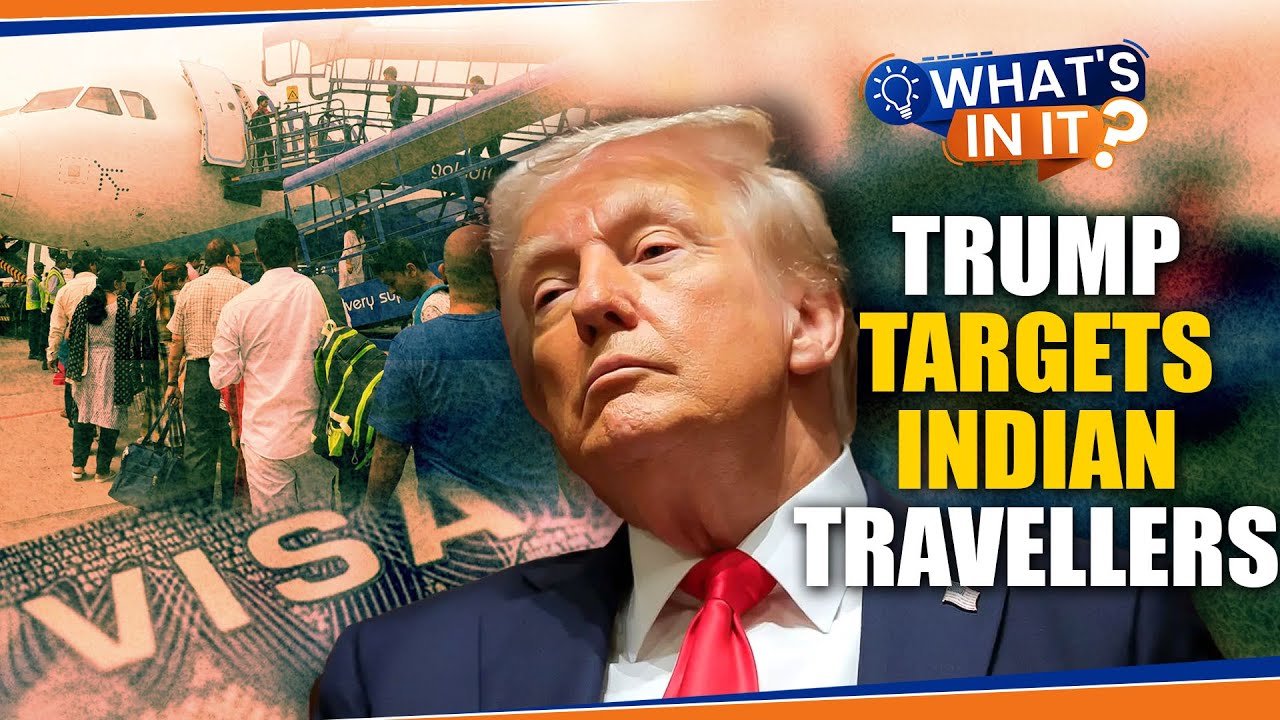
The United States has introduced major visa policy changes that could make it tougher for foreign professionals, students, and immigrants to live and work in America. These moves have sparked debate around the world — especially in countries like India — as people rethink their plans to go to the USA.
1. Visa Processing Suspended for Many Countries
One of the most significant changes is that the U.S. government has suspended immigrant visa processing for nationals from around 75 countries. This means people from these nations may not be able to get immigrant visas or have their applications processed until further notice.
Although tourist and short-term visas are not largely affected, the suspension is part of a broader effort to tighten immigration standards and reduce long-term settlement in the U.S.
2. H-1B Work Visas Under Pressure
Another major shock comes for H-1B visa holders — the category used by many Indian tech professionals and skilled workers:
Higher Fees & Stricter Rules
• A controversial new rule is pushing for much higher fees for H-1B petitions, potentially as high as $100,000 (around ₹88 lakh) for new filings. This would make sponsoring skilled workers extremely expensive for U.S. employers.
• U.S. authorities have also expanded background checks — including social media screening — for H-1B and H-4 (dependent) applicants, slowing down visa appointments and processing times.
These changes create uncertainty for tech professionals, students planning internships or job offers, and their families.
3. Health & “Public Charge” Guidelines Return
In addition to economic and work visa shifts, the administration has increased scrutiny of applicants’ health and financial stability.
Under revived “public charge” assessments, visa officers can consider an applicant’s medical history (including chronic conditions) and future likelihood of using public services as a reason to deny visas. Critics argue it discriminates against people with health issues, making it harder for families or older applicants.
4. Broader Immigration Shift
The current U.S. approach reflects a broader immigration policy shift aimed at reducing overall legal immigration, prioritizing economically “desirable” migrants, and tightening entry for many categories. This includes tougher interviews, financial requirements, and background checks.
However, not all visa categories are shrinking. For example, the U.S. recently announced an increase in temporary seasonal worker visas (H-2B) to help key industries facing labor shortages.
What This Means for You
✔ Work Visas (H-1B): More expensive and slower processing.
✔ Students & Families: More rigorous checks + potential delays.
✔ Immigrant Visas: Processing paused for many nationalities.
✔ Health & Financial Rules: Stricter assessments may impact approvals.
These policies are expected to have long-term effects on global mobility, job opportunities in the U.S., and families planning to live or study there.
In Simple Terms
➡ The U.S. is making it harder to get long-term visas.
➡ Skilled workers may face higher costs and longer waits.
➡ Health and financial background now matter more than before.
➡ Some workers will still be allowed under special temporary categories.
Bottom Line: If you’re planning to go to the United States — for work, study, or immigration — it’s more important than ever to stay updated on rules, begin early, and consult immigration experts if needed.