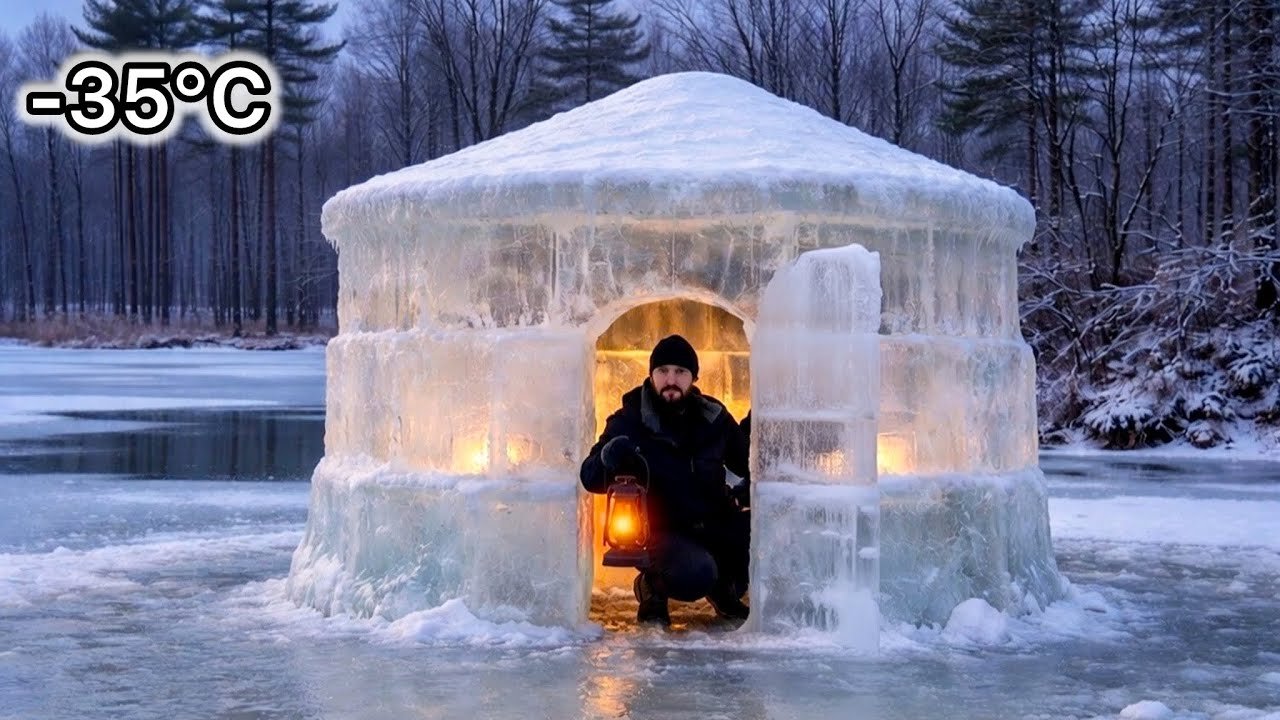
When a brutal winter storm hits and temperatures plunge far below freezing, survival isn’t about comfort—it’s about smart shelter, insulation, and heat conservation. In extreme cold regions of the USA, from Alaska to the Rockies, knowing how to build an ice shelter can be the difference between life and death.
Ice shelters may sound counter-intuitive, but when built correctly, they can trap heat, block deadly winds, and keep you alive during the harshest winter storms.
Why Ice Shelters Actually Work in Extreme Cold
It sounds wild, but ice and snow are excellent insulators.
- Snow traps air, reducing heat loss
- Ice blocks wind chill completely
- Interior temperatures can stay 20–40°F warmer than outside
- Body heat stays contained in a small enclosed space
That’s why Arctic explorers, survivalists, and indigenous communities have relied on ice shelters for centuries.
Best Situations to Build an Ice Shelter
You should consider an ice shelter if:
- You’re stranded during a blizzard
- Wind chill drops below dangerous levels
- Visibility is low and movement is risky
- Trees or tent shelter are unavailable
Ice shelters are for emergency survival, not long-term living.
Types of Ice Shelters for Winter Survival
1. Snow Cave Shelter
Best for deep snow areas.
How it works:
- Dig horizontally into a snowdrift
- Hollow out a sleeping chamber
- Create a small air hole near the top
Strong insulation
Requires energy and time
2. Quinzhee Shelter
A favorite among winter survival experts.
Steps:
- Pile snow into a mound
- Let it harden (30–60 minutes)
- Dig inside carefully
Works even with loose snow
Strong against storms
3. Ice Block Shelter (Emergency Igloo Style)
For frozen lakes or hard-packed snow.
Key tips:
- Cut compact ice blocks
- Stack in a spiral pattern
- Seal gaps with snow
Maximum wind protection
Requires tools and skill
How to Build a Basic Ice Shelter (Step-by-Step)
Step 1: Choose the Right Location
- Avoid avalanche zones
- Stay away from open water
- Pick a wind-shielded area
Step 2: Create a Low Entrance
Cold air sinks—keep the entrance lower than the sleeping area.
Step 3: Insulate the Floor
Use:
- Pine branches
- Backpack
- Extra clothing
Never sleep directly on ice or snow.
Step 4: Ventilation Is Critical
Always create a small air hole to prevent carbon monoxide buildup.
Staying Warm Inside the Ice Shelter
- Wear dry layers only
- Eat high-calorie food before sleeping
- Use a reflective blanket if available
- Huddle to conserve body heat
Never light a fire inside—it can melt the shelter and cause suffocation.
Common Mistakes That Can Be Deadly
❌ No ventilation hole
❌ Sleeping directly on ice
❌ Building too large (heat escapes)
❌ Ignoring wind direction
A small, tight shelter is warmer than a big one.
Real Survival Tip from Winter Experts
“A well-built snow shelter can save your life faster than searching for rescue in a whiteout.” — Arctic Survival Instructor
Final Thoughts: Ice Shelters Save Lives
In extreme winter conditions, panic kills faster than cold. Knowing how to build an ice shelter gives you control, protection, and time—three things you desperately need during a winter storm.
Whether you’re hiking, hunting, snowmobiling, or traveling through cold regions of the USA, learning this skill before an emergency could save your life.